Kos
Nisyros
8 Hour All Day Cruise to Nisyros and Gyali island
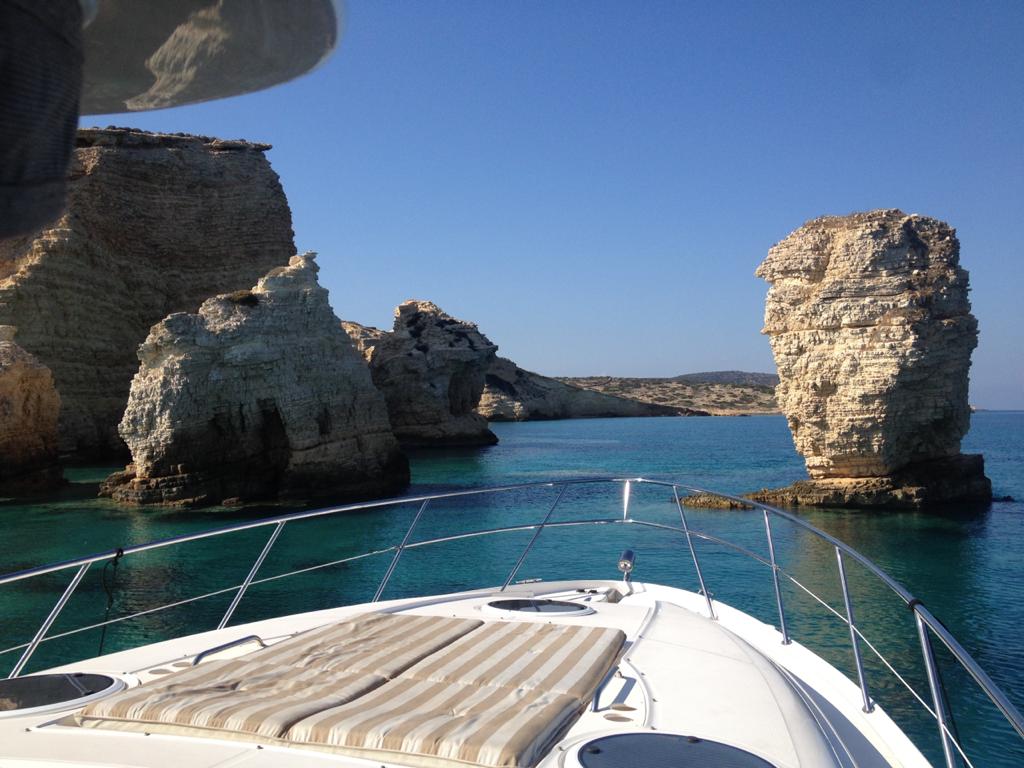
Those who choose the full day tour will have the chance to visit the island of Nisyros and visit the amazing and famous volcano.
Inclusions
- Finger food and deserts included(vegan or vegeteranian menu upon request)
- Private: Only you & your group
- Drinks (soft drinks,2 free bottles of wine and free water)
- Snorkeling equipment
- Free Wifi
- Towels (to be returned to the crew)
- Transportation to and from the volcano
- VAT
- Fuel
Exclusions
- Gratuities (optional)
Additional info
- Subject to favorable weather conditions. If canceled due to poor weather, you will be given the option of an alternative date if available or different destination or full refund
- Full name, Passport No, Date of birth, Nationality is required at time of booking for all participants
- Vegetarian or any other special dietary needs available upon request
- Children under 12 years old must be accompanied by an adult
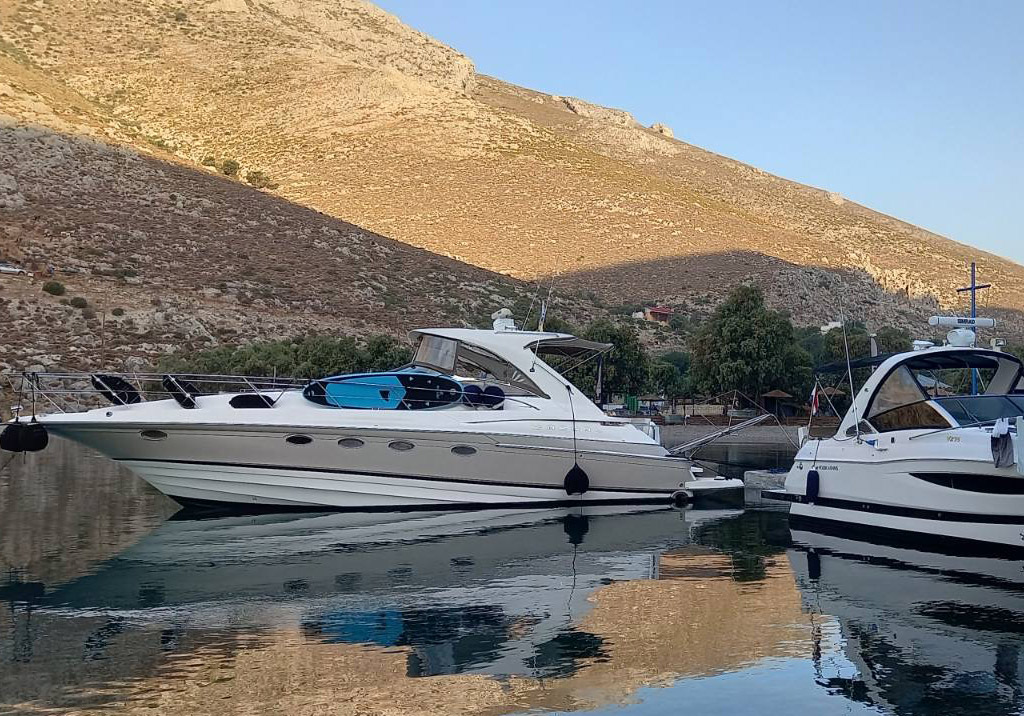
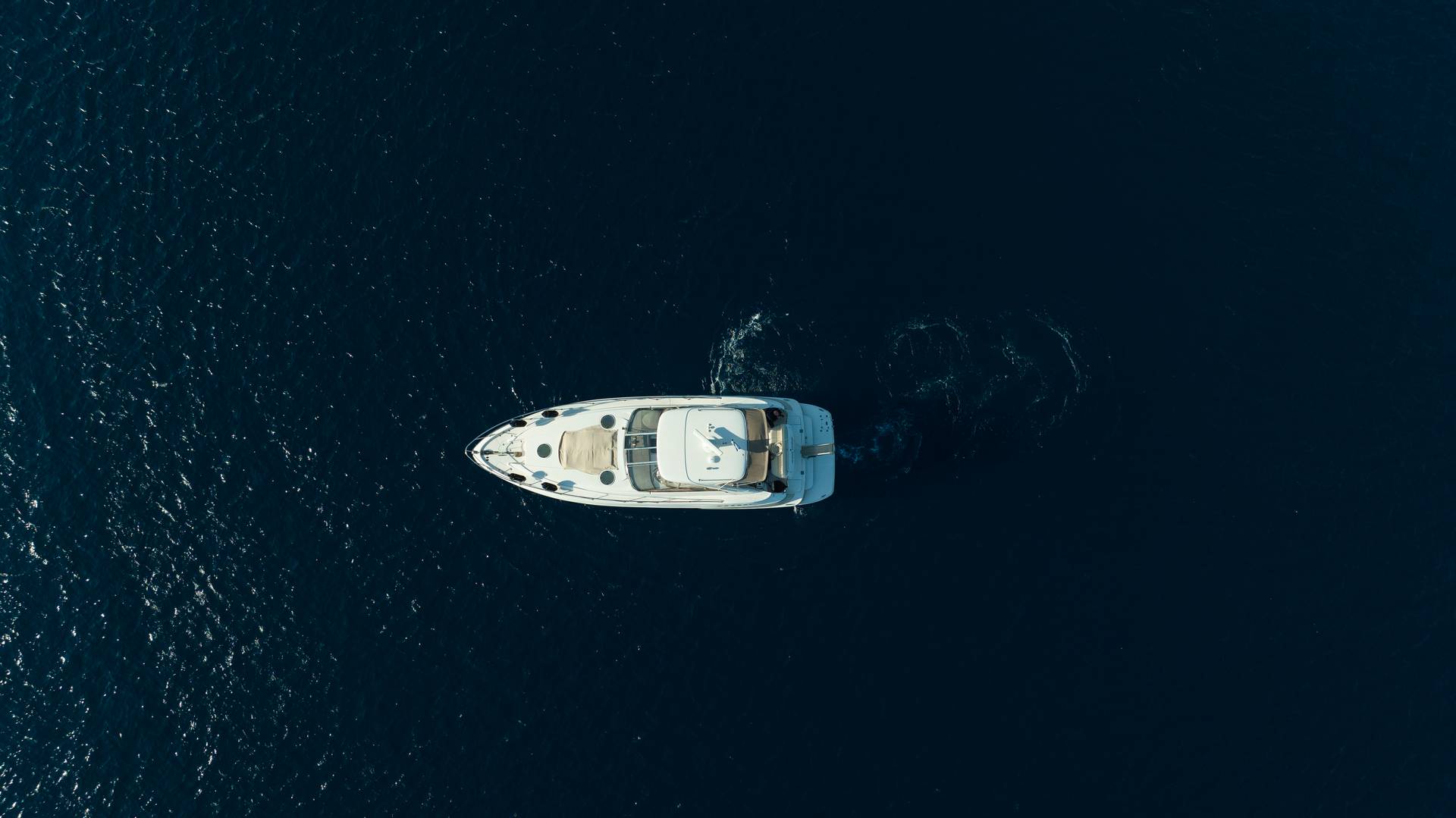
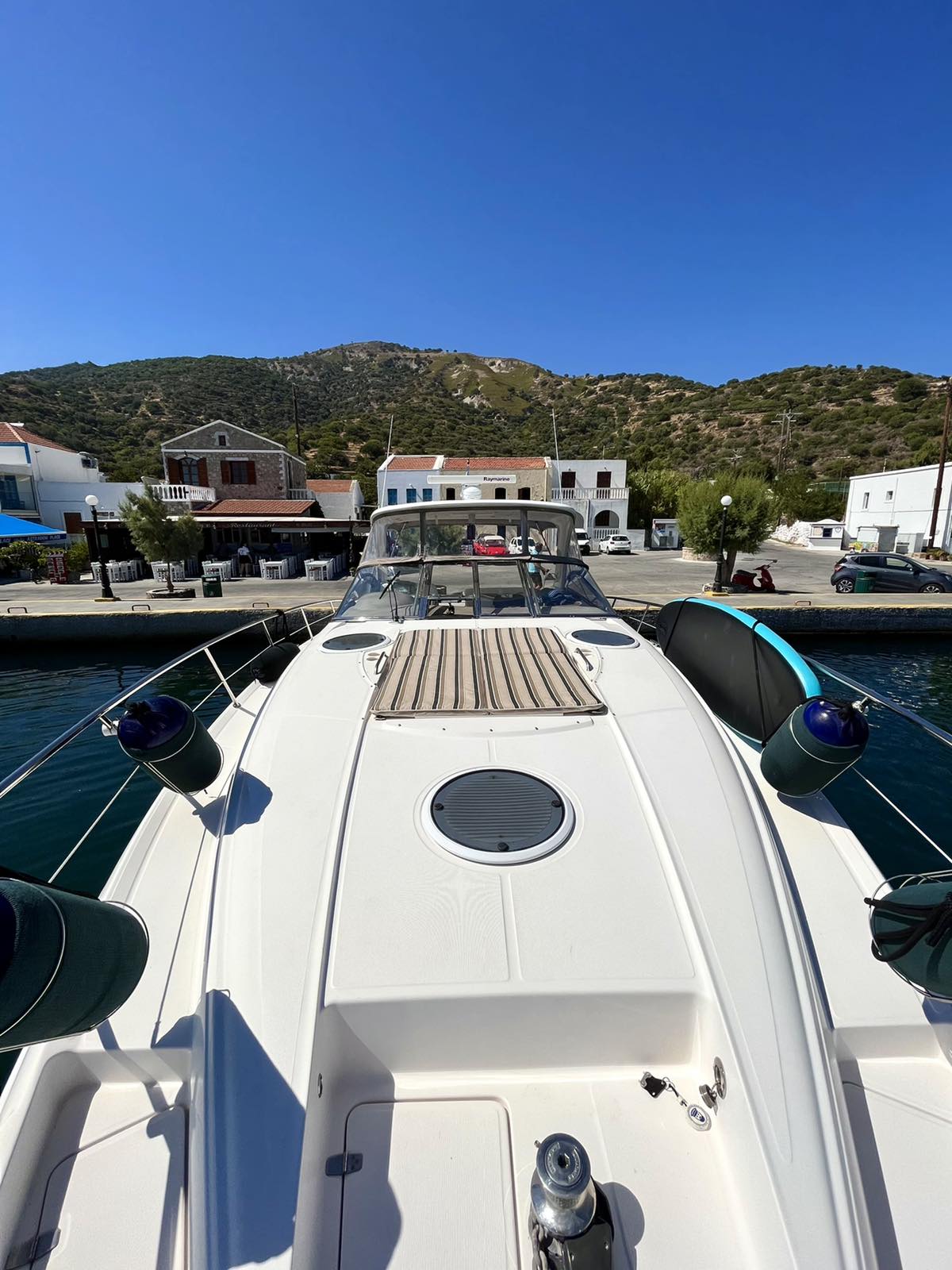
- Motor Yacht
- 10 guests
- 2 cabins
- 1+1
- 22 knots
- Base: Kos Island
- Year Built/Refit: 2005/2021
- WIFI: Yes
- Boat type: Yacht
- Guests: up to 10 guests
- Cabins: 2 cabins
- Cruising Speed: 22 knots/max 32 knots
- Length: 14.00M
- Berths: 1 Double + 2 singles
- Service: Crewed / Skippered
- Crew: 1+1
Kos
Nisyros
8 Hour All Day Cruise to Nisyros and Gyali island
Kos is a Greek island in the southeastern Aegean Sea, part of the Dodecanese island chain. It's known for its beautiful beaches, rich history, and as the birthplace of Hippocrates, the father of medicine. The island is a popular tourist destination, offering a mix of historical sites, natural beauty, and vibrant nightlife.
Tour Location
Port of Nisyros
Nisyros is one of the youngest large volcanic centres in Greece included in the active volcanoes along with Methana, Milos and Santorini.
The oldest rock formations are 160 000 years old, while the youngest (prehistoric) are 15 000 years old and cover the entire island. Most of Nisyros is mountainous, volcanic and very fertile.
The island is composed of volcanic rock formations, with swelled elevations that were formed by previous volcanic activities. The various rock formations, (basalt etc.) have been used for the construction of various buildings such as the Palaiokastro and the bell tower of the Church of Saint John the Theologian just outside Nikea.
The base of the island has been formed by lava. The rocks are covered by pyroclastic deposits and volcanic mud. Two possible eruptions occurred several millennia ago, around 25 000 years back. A large depression occurred in the eastern part half way across the island. The western crown of this depression forms the highest peak of the island. The peak of Saint John is in the eastern part of the depression and is about 100m above sea level. In 1956 schisms emitting smoke were noted in the ground next to the western and southern sides of Rammos.
It is possible that the volcano erupted in 1442. In 1872, an eruption occurred that was accompanied by earthquakes, backfiring and red and yellow flames. Ash and other elements erupted and covered the ground of Rammos. During the eruption of 1873, a crater of about 6 to 7 metres was formed and ash and mud spewed out. The ground of the areas of Lakkoi and Rammos were transformed into a lake with hot salty water, the water that spilled out of the crater.
The most recent violent eruption was in 1888 which formed a cylindrical aqueduct of volcanic elements with a diameter of at least 25 metres. The largest crater of the volcano, named Polivotis, has a diameter of 260m and a 30m depth. There are another 5 younger craters in the region, the largest of which is Stefanos with a diameter of 30m and a 30m depth. The volcano also surrounds a valley 2 400m in length and 950m wide.
Kos
Nisyros
8 Hour All Day Cruise to Nisyros and Gyali island
Kos
Nisyros